

PFAS in Food Packaging and Straws
When the fire is out but the pollution remains: How emergency protection became a lasting water problem
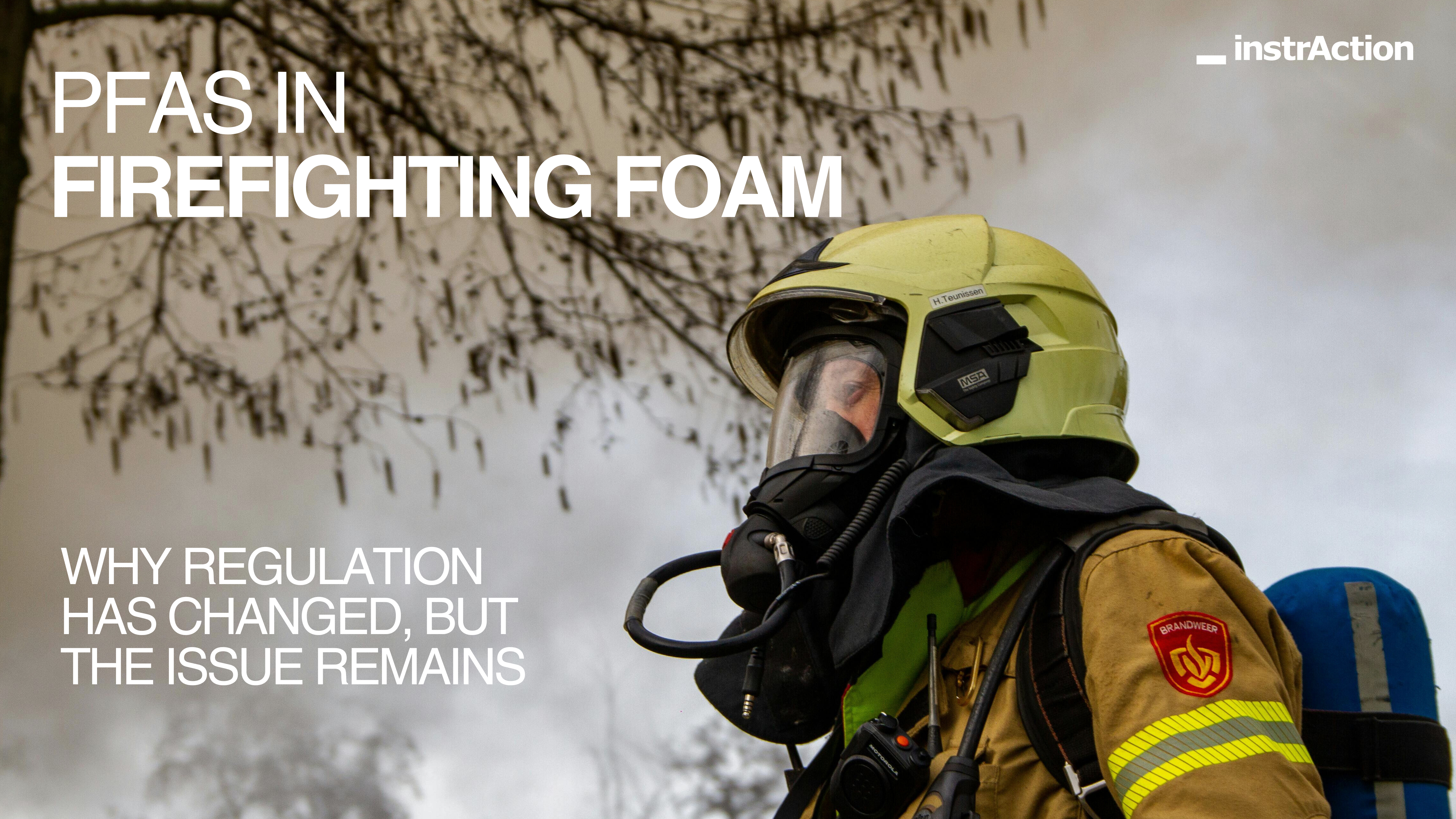
Firefighting foams were created to save lives. For decades, they have been used at airports, military bases, and industrial sites to extinguish fuel fires quickly and reliably.
The issue: What wasn’t fully understood at the time is that many of these foams contained PFAS. Extremely persistent chemicals that do not break down once released.
Today, firefighting foams are considered one of the most significant historical sources of PFAS contamination worldwide!
Why PFAS are used in firefighting foams
Aqueous film-forming foams (AFFF) were widely used because they spread fast, resist heat, and prevent fires from reigniting (PFAS played a key role in this performance!).
Once released, however, PFAS do not break down. They remain chemically stable, even under extreme environmental conditions. This stability is what makes them effective in firefighting and problematic for the environment.
How PFAS from foams contaminate water
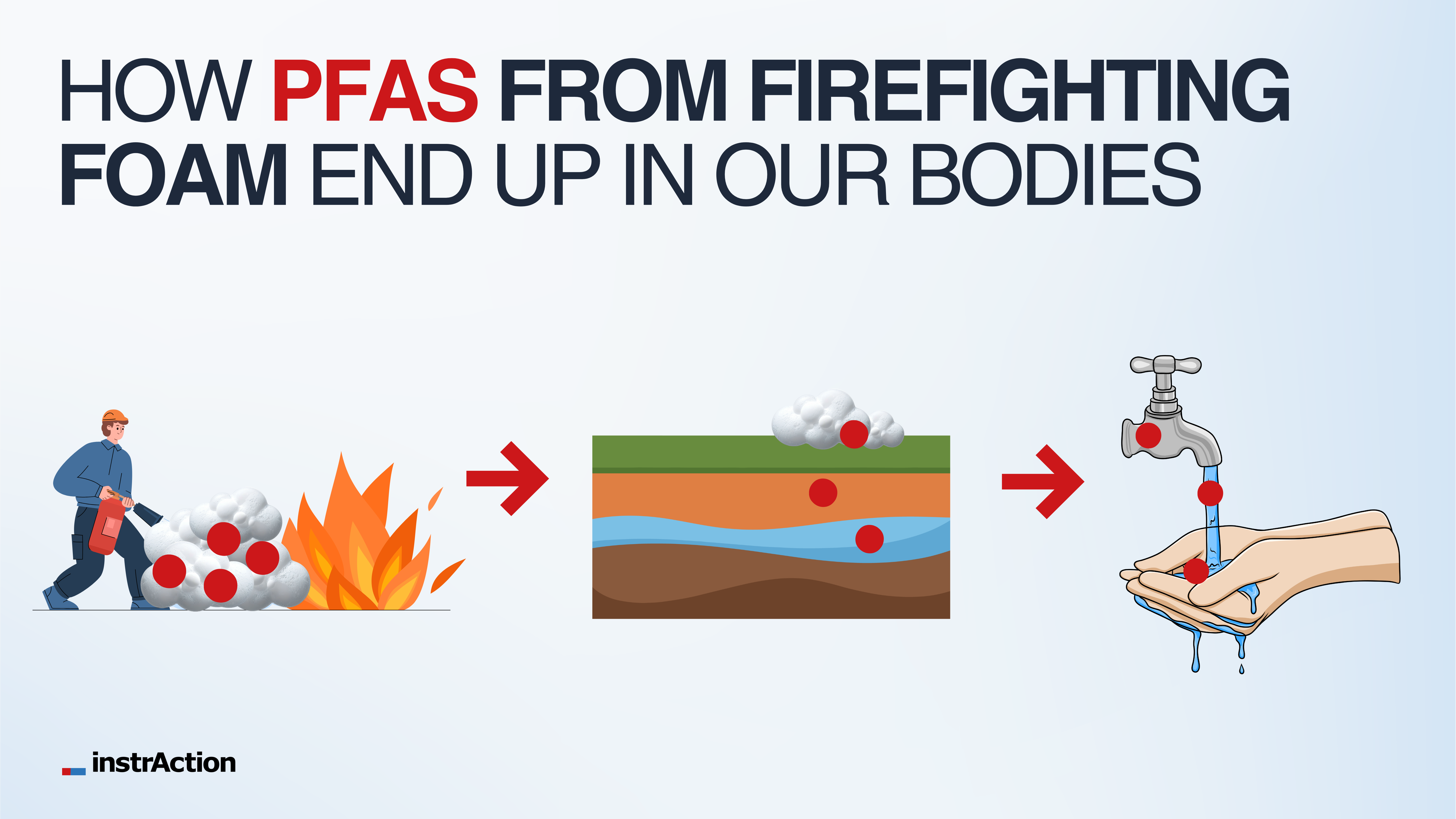
During firefighting operations and training exercises, large amounts of foam were released directly onto the ground.
From there, PFAS can migrate into:
- soil
- groundwater
- nearby rivers and drinking water sources
Monitoring programs across Europe and the US consistently show elevated PFAS levels near locations where firefighting foams were used repeatedly. Typical hotspots include airports, military training grounds, and industrial fire training sites.
After release, PFAS seep into the soil and slowly migrate toward groundwater. This process can take years, sometimes decades, making contamination difficult to detect early on.
Regulation has changed, contamination hasn’t
PFAS-based firefighting foams are now restricted or banned in many countries:
- PFOS has been restricted in the EU since 2011
- fluorine-free alternatives are increasingly required
- broader PFAS bans are under discussion
But stopping future use does not remove PFAS already present in water systems.

Why this matters
Firefighting foams highlight a key PFAS challenge: Even life-saving technologies can leave long-term environmental impacts.
Addressing PFAS from foams requires:
- targeted monitoring
- efficient removal from contaminated water
- safe handling and destruction of PFAS-loaded materials
At instrAction, we focus on selective PFAS removal technologies that help close this loop.
Because protecting water means dealing with both today’s risks and yesterday’s decisions.
Further readings:
- European Chemicals Agency (ECHA), PFAS restriction and firefighting foams
- US Environmental Protection Agency (EPA), PFAS and firefighting foams
- Interstate Technology & Regulatory Council (ITRC), PFAS Technical Guidance
- OECD, PFAS global assessments and use patterns