


PFAS in Food Packaging and Straws
This blog helps you reduce PFAS exposure. One choice at a time.
PFAS are everywhere. In water, food packaging, cookware, cosmetics, and even children’s toys. Avoiding them completely is almost impossible so why even try, right? However, we believe making smarter choices can actually be easy and small steps go a long way.
This guide gives a practical overview of PFAS-free alternatives across everyday products, so you can reduce exposure step by step without restricting yourself or perfectionism.
PFAS-Free Toys & Children’s Products
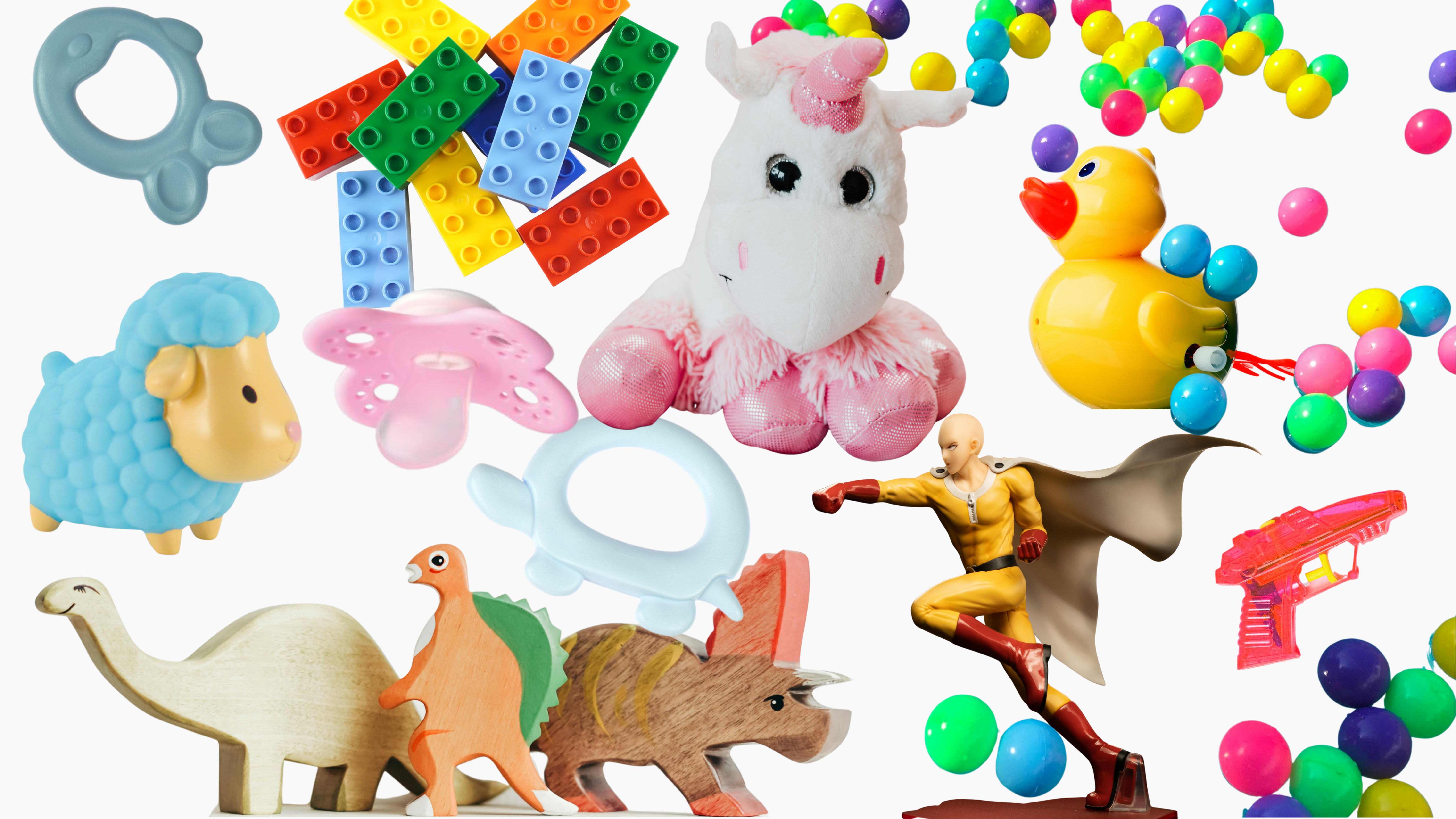
Children are more vulnerable to PFAS exposure due to higher intake per body weight and developing immune systems. Still, PFAS can be found in a variety of everyday toys, especially those designed to be water-repellent, stain-resistant, or easy to clean.
Better choices
1. Solid untreated wood toys
Look for:
- FSC-certified wood
- Finished with beeswax or plant oils
Brands often known for natural wood toys:
2. Natural rubber teethers
Avoid synthetic plastic blends.
Look for 100% natural rubber.
3. Organic cotton plush toys
Check for:
- GOTS certification
- No stain-resistant treatments
Be careful with
- “Stain-resistant” kids clothing
- Waterproof school bags
- “Easy-clean” treated fabrics
Water-repellency is often a red flag for fluorinated chemistry.
PFAS-Free Food & Drink Choices
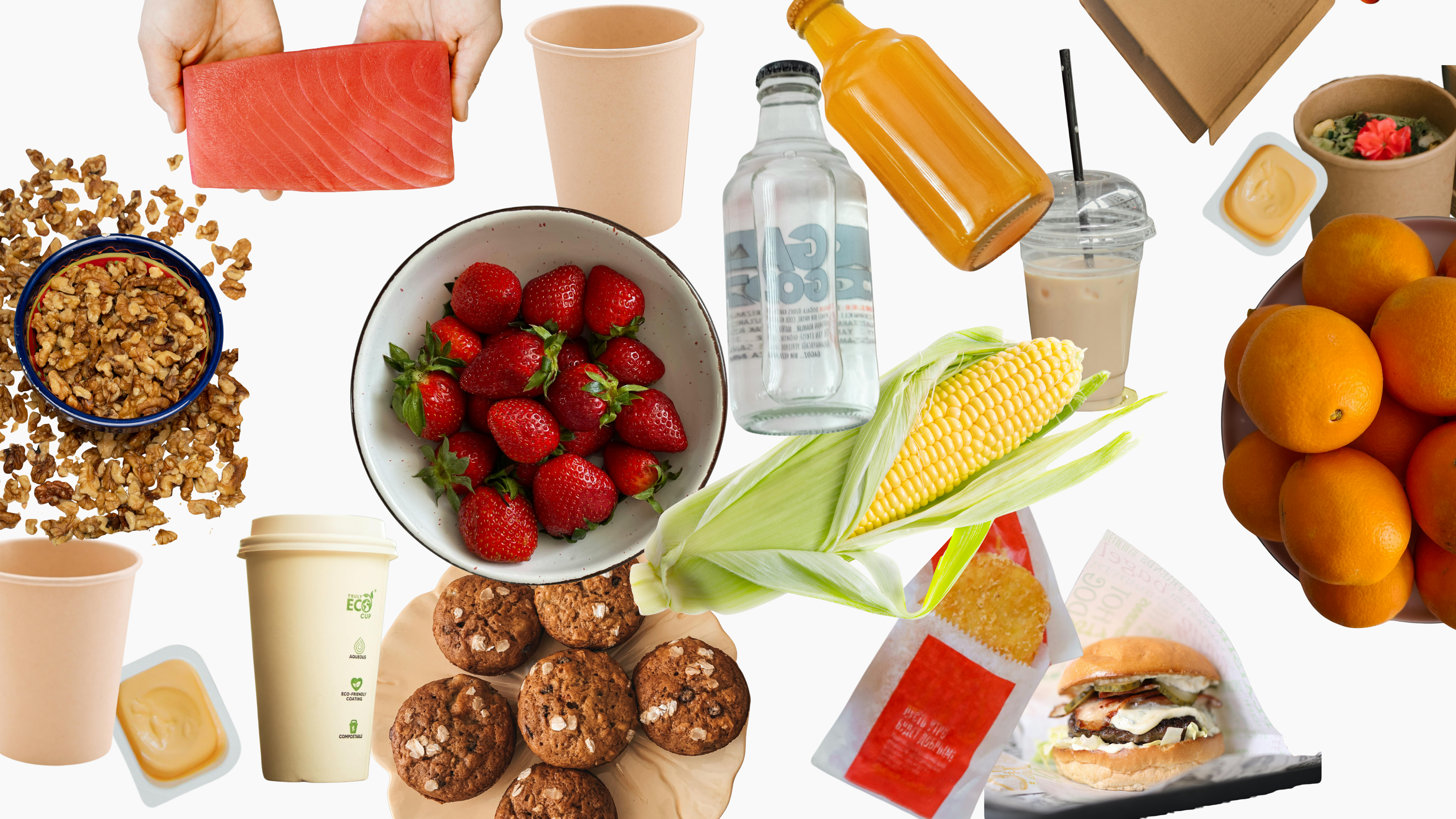
Most PFAS exposure from food comes through contact materials, not the food itself.
Lower-risk options
- Glass storage containers
- Stainless steel lunch boxes
- Ceramic bowls
- Beeswax wraps instead of plastic wrap
- Buying loose bakery items instead of pre-packaged greaseproof bags
Be careful with
- Microwave popcorn bags
- Fast food wrappers
- Grease-resistant paper bags
- Paper bowls with invisible coatings
- Molded fiber takeaway containers
Recent testing in Europe and the US has repeatedly detected fluorinated compounds in molded fiber food containers.
PFAS-Free Food Packaging & Storage

Many PFAS in food come from contact materials, not ingredients.
Better alternatives
- Glass containers
- Stainless steel lunch boxes
- Beeswax wraps
- Uncoated paper
Higher-risk packaging
- Grease-proof paper
- Molded fiber bowls
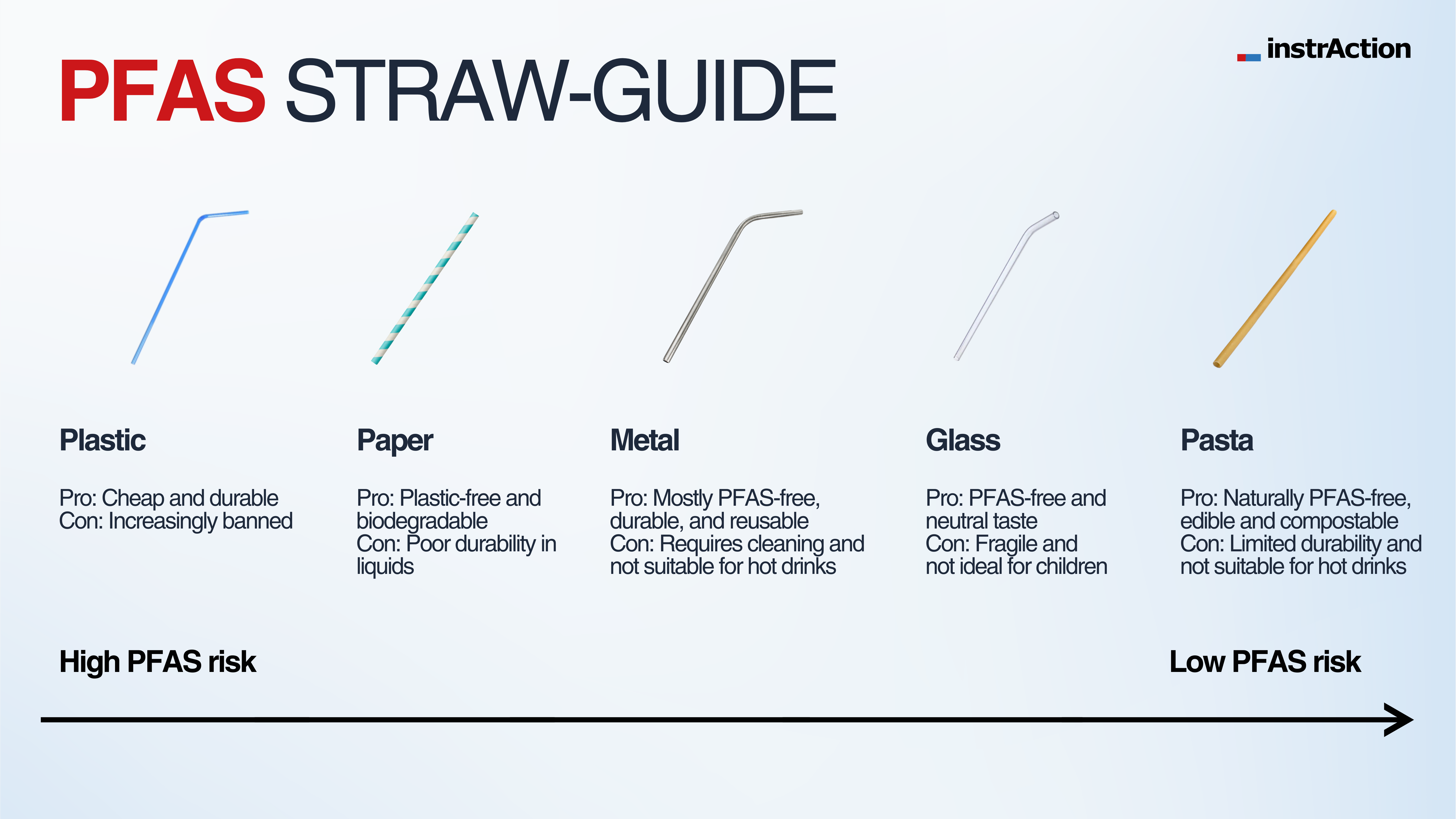
- Paper straws and takeaway boxes with unknown coatings
Not every paper product is PFAS-free. Always check for coating information. Also not all “eco” alternatives are equal. An example for that are straws.
Check out our straw guide:
PFAS-Free Cookware
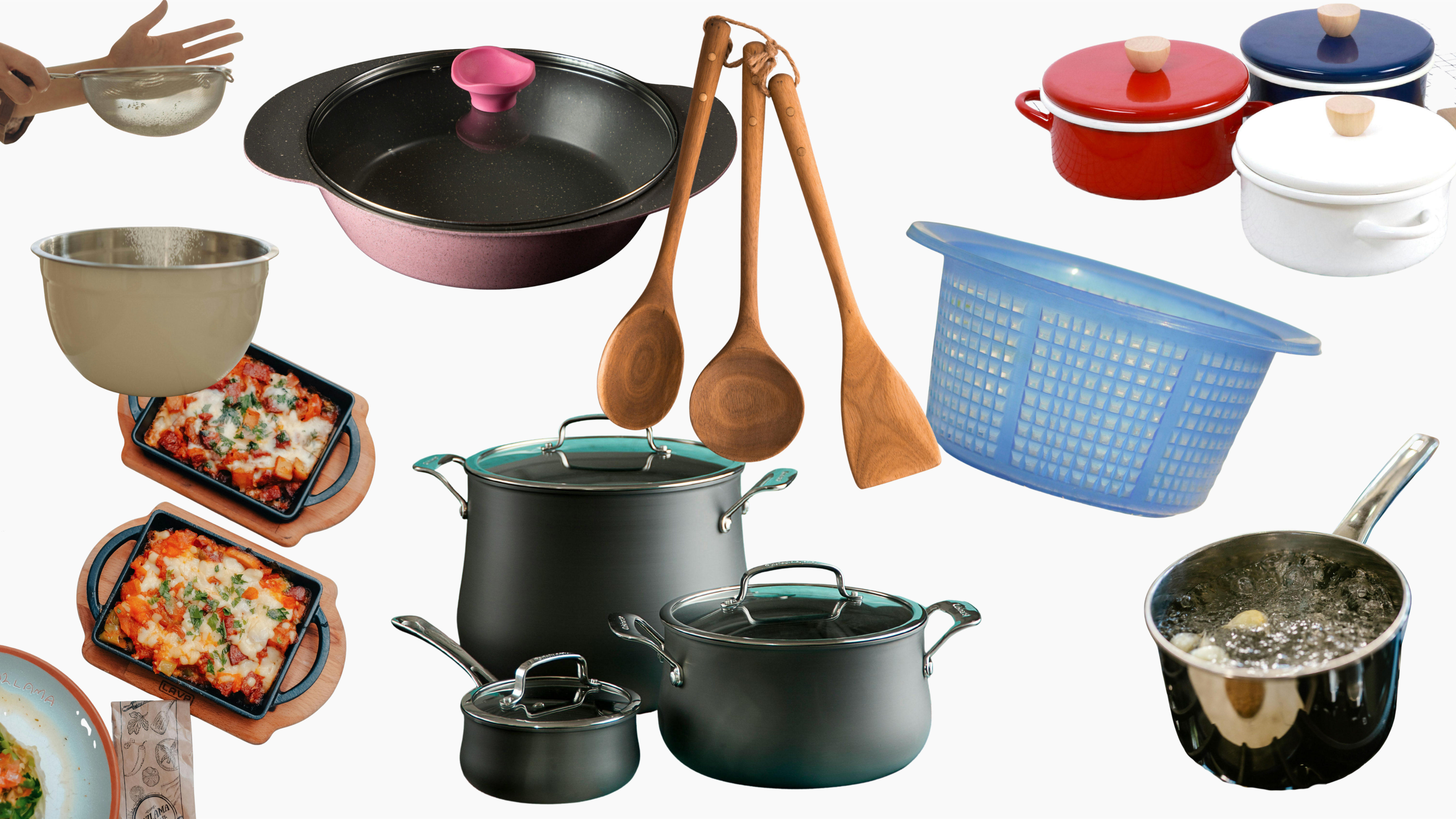
The discussion around non-stick cookware is complex.
Lower-Risk Cookware
- Stainless steel
- Cast iron
- Carbon steel
- Ceramic-coated pans (from brands that explicitly state PFAS-free coatings)
Consider Replacing
- Old, scratched non-stick pans
- Pans produced before recent PFAS restrictions
Modern regulations have changed formulations, but legacy products may still contain long-chain PFAS.
PFAS-Free Cosmetics & Personal Care
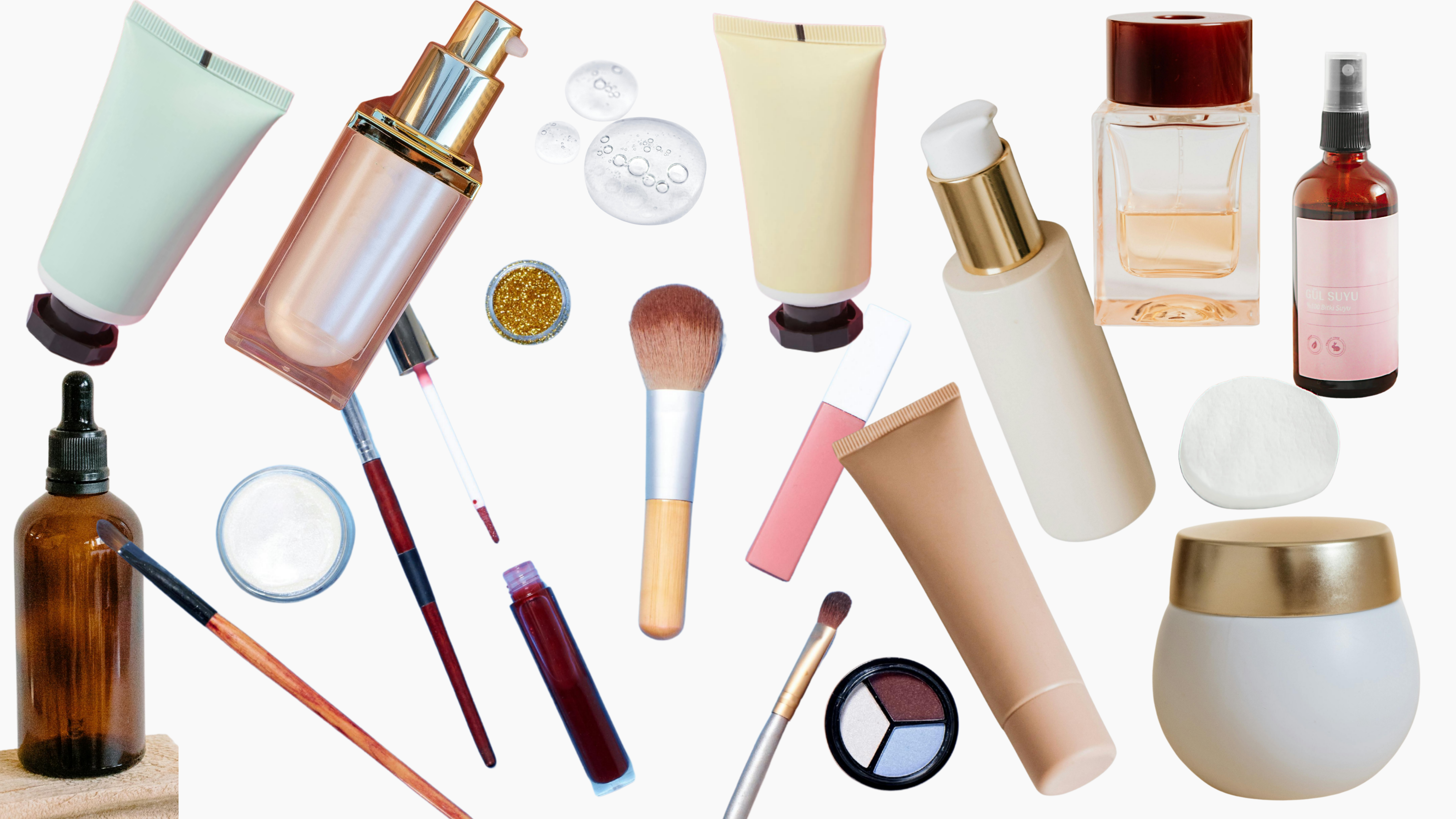
PFAS can be used to improve texture, smoothness, and water resistance.
How to Spot Them
Check for:
- PTFE
- Perfluoro-
- Polyfluoro-
- “Fluoro” in ingredient names
Lower-Risk Choices
- Certified natural cosmetics
- Brands that explicitly state “PFAS-free” policies
- Short ingredient lists
Always verify claims on the brand’s website.
PFAS-Free Cleaning Products
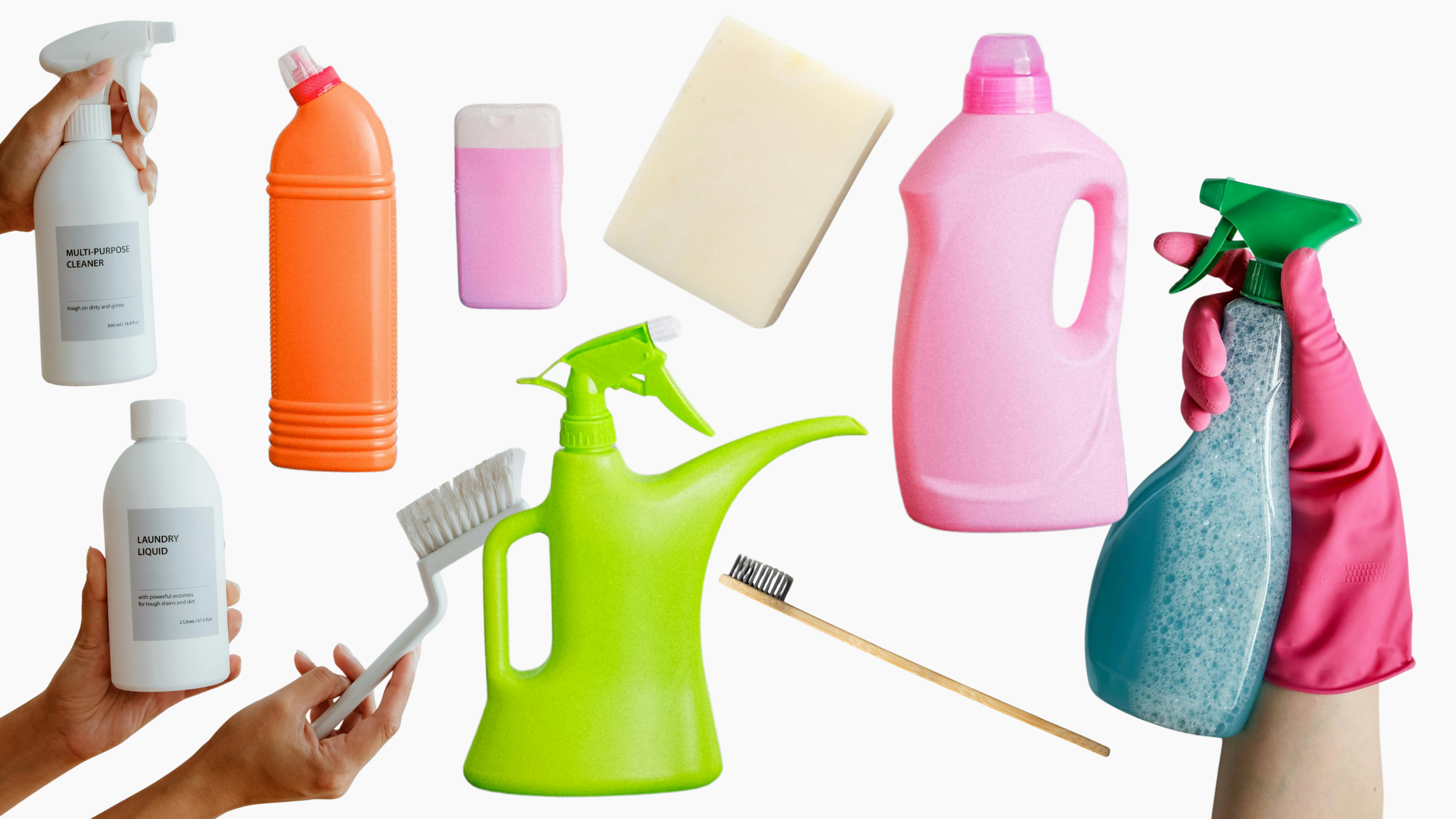
PFAS may appear in products marketed as:
- Ultra-repellent
- Long-lasting surface protectors
- Extreme degreasers
Better Choices
- Simple soap-based cleaners
- Vinegar solutions
- Citric acid-based cleaners
- Eco-labeled products
What This Means in Practice
Not every product containing PFAS is an immediate health risk and no single item determines overall exposure.
PFAS exposure is cumulative and systemic. Small, informed changes across many categories matter more than drastic one-time actions.
The most effective strategy:
- Avoid stain-resistant and water-repellent coatings
- Prefer glass, steel, wood, ceramic
- Check ingredient lists
- Don’t fall for “eco” marketing without material transparency
Reducing PFAS exposure starts long before water becomes drinking water and long before products reach shelves. Awareness, transparency, and better material choices all play a role.
At instrAction, we focus on removing PFAS where they matter most: in water systems. Because cleaner water supports safer food, healthier ecosystems, and everyday choices that shouldn’t come with hidden risks.
We hope this list helps you to make safer choices in the future.
Any questions left? Let us know, we’re happy to help!